
GREATER SWISS MOUNTAIN DOGS
The Greater Swiss Mountain Dog originated in Switzerland as a working breed. They were used as draft dogs for pulling carts, as watchdogs, and of course, as family companions. On first glance, you see their regal demeanor matched with their bold tricolor appearance. Upon acquaintance, you meet an inexplicably happy, genuinely gentle and dedicated companion. Welcome to the world of Swissies.

APPEARANCE
Greater Swiss Mountain Dogs are identified by their classic tri-color coat of black, white and red. Generally, they range in height from 23.5"-28.5" tall at the shoulder, with males being on the taller end. They have a muscular build, and are proportionally slightly longer than tall. Females range from around 90-110lbs, and males can get up to 140lbs.
Swissies are doublecoated- so they have an undercoat that typically sheds twice a year. Regular brushing and grooming can help keep on top of this.
Swissies are also known as a dry mouth breed, meaning that they are not droolers.
EXERCISE
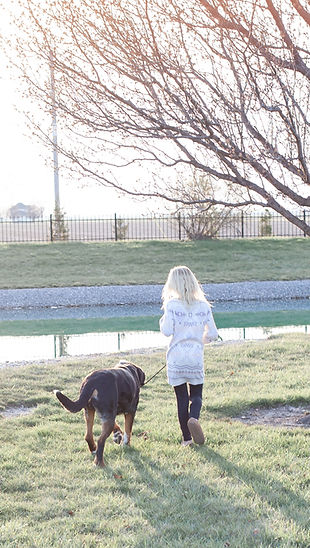
Swissies are described as having a moderate exercise requirement. As a working dog, they are ready to have a job and be on the move. Greater Swiss Mountain Dogs make excellent walking and hiking partners and enjoy outdoor activities like pulling carts or sleds. Mainly, they are happy to participate in exercise of some form if it involves you.

TEMPARMENT
Greater Swiss Mountain Dogs are friendly, gentle, and confident. They are known as a 'sentry' breed and will serve as an alert. Swissies are social dogs and typically get along with other dogs and thoroughly enjoy human companionship. Their friendly easy-going personality is attractive and a well socialized Swissy is a pleasure to be with. With any dog, a good temperament is fostered with consistent training- that makes for a happy pet, and happy owner.

HEALTH
Generally speaking, Greater Swiss Mountain Dogs are a healthy breed. While every dog can experience ailments of some sort throughout their life, maintaining a healthy weight, consistent exercise, and veterinary exams are all paramount to keeping your Swissy happy and healthy. Every Swissy owner should be aware of the risk of GDV (gastric dilatation-volvulus) aka 'bloat' and understand the risk of splenic torsion. More information can be found in the paragraphs below.

NUTRITION
Swissies do well on a variety of dietary plans and typically aren't picky. Dry kibble formulated for large breeds is a good choice to meet your Greater Swiss Mountain Dogs nutritional needs, so long as the proper amount is fed. Obesity is a major contributor for many health problems, including hip dysplasia. Feeding your Swissy an appropriate amount will help keep unnecssary health concerns at bay.

TRAINING
As with any dog, a good dog requires consistent training. Swissies can have a stubborn streak and will need your patience and guidance to teach them obedience. As a working breed, they thrive on having a job and respond well to praise and treat incentives. Puppy classes are recommended, but better yet is your lifelong commitment to learning alongside your Swissy.
HEATH AWARENESS
This is not a comprehensive explanation of any disorder. Every dog is prone to certain diseases and illnesses, none of which I am an expert in. This information is for your awareness to help you be an informed Swissy owner. It is a life long journey and I would be happy to learn alongside you about any ailments that afflict our pets. For more information, please consult with your veterinarian, the GSMDCA and AKC websites, and the VCA Animal Hospital website also has helpful information.
GDV- BLOAT
Many large, deep chested breeds can be prone to gastric-dilatation-volvulus, otherwise known as bloat. This is essentially when the stomach fills with gas, and then twists on itself. Some symptoms to watch out for are an enlarged abdomen, pale gums, excessive saliva, panting, lethargy and attempts to vomit, to name a few. This is an emergency, and surgery can have successful outcomes.
A few simple tips for prevention are to feed your dog twice a day, rather than once, and always allow your Swissy to rest before and after eating a meal, or drinking a lot of water. Do not exercise your pet right before a meal. Our Swissies always eat in their crate, which offers a quiet, low stress environment.
SPLENIC TORSION
Swissies have a unique tendency to develop a large spleen (splenomegaly) which can then result in torsion (twisting). While this is rare in most other breeds, it is not in the Greater Swiss Mountain Dogs. Splenic torsion can occur alongside of bloat, or independently. Signs and symptoms of splenic torsion are similar to that of bloat: pale gums, lethargy, attempts to vomit etc. Discuss this with your veterinarian as it is often not a condition most offices deal with. Some resources for additional information can be found at the following link provided below.
FUN FACTS

SWISSIES ARE RARE
Swissies were used in World War II as draft dogs. After the war, only about 350-400 remained. Greater Swiss Mountain Dogs are still recovering in numbers, and in public awareness.

SENNENHUNDE
A what? Greater Swiss Mountain dogs are the largest of four breeds known as Sennenhundes- a German word for mountain dog. Many people are familiar with Bernese Mountain Dogs which are also part of this family.

SWISSY SMILE
Yes, Swissies have the best smiles. They are a reminder of their happy, loving personality. Our Swissies typically showcase their smiles when they find themselves as the center of attention.